





10 Years Since Ocalan's Arrest, Turkey Failed to Solve Kurdish Issue



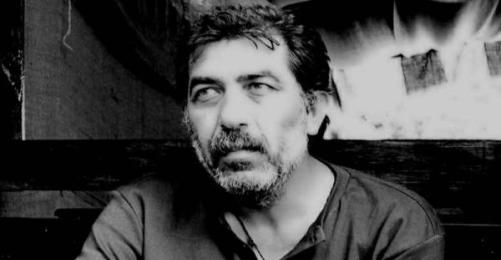
Turkey has wasted an opportunity to resolve the Kurdish issue peacefully following PKK's leader Abdullah Öcalan's apprehension 10 years ago, political analyst Kenan Kalyon told bianet.
With the help of US intelligence, Ocalan was confiscated in Nairobi, Kenya on February 15, 1999 and brought to Turkey. He was then tried and condemned to life on terror charges. He remains in Imrali prison. Every year, Kurds all around Turkey and in Europe gather in protests on February 15th to condemn what they call an "international complot".
Following Ocalan's arrest, we witnessed a period of ceasefire where the PKK gave priority to political struggle but the state failed to assess this chance, Kalyon said.
"The state hoped to solve the problem by prolonging it in time and hoping for a self dismantlement of the PKK, given it lost Ocalan. Those predictions didn't realize. PKK managed to reform itself and continue with a collective direction."
Despite lost chances, he lists several positive developments in the last 10 years, regarding the Kurdish issue.
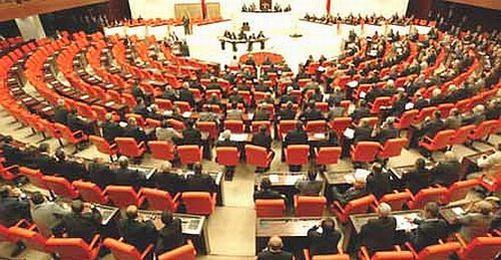
"First of all, Kurds are represented in the parliament following July 2007 elections. Disregarding the short experience of Party of Democracy in 1990s, the Kurdish movement is now involved and gaining experience in parliamentary politics.
Secondly, even if not fully open relations, Turkey has initiated dialogue with Kurds in Northern Iraq.
Thirdly, the Kurdish movement managed to withhold its power, clarifying its demands and programme for a peaceful solution. Those included a new definition of constitutional citizenship, which would avoid any discrimination ethnic grounds. This move also avoided any accusation of separatism."
Despite these positive developments, Kalyon thinks Turkey was pushed on the brink of a social dismantlement based on ethnicity, as a result of years of nationalist enticement. He recounts lynch attempts against Kurds on several occasions. "This proved that the barrier before a solution didn't just stem from the bureaucracy, the state and politicians but also on a social level."
Kalyon criticizes Turkey for avoiding "his own Kurds", while communicating with Kurds in Iraq.
And lastly, The Justice and Development Party's (AKP) efforts to introduce political Islam in Eastern Turkey, to weaken the Kurdish opposition is rendering the any solution distant, said Kalyon.(BÇ/AGÜ)


Thousands of People Demonstrated for PKK Leader Öcalan
"Ignoring Ocalan Won't Serve Peaceful Solution to Kurdish Issue"

Kurdish Question Key to Ergenekon Investigation
Violence Would Not Solve Kurdish Issue
Ocalan Calls PKK Declare Unilateral Ceasefire
Thousands of People Demonstrated for PKK Leader Öcalan
"Ignoring Ocalan Won't Serve Peaceful Solution to Kurdish Issue"
Kurdish Question Key to Ergenekon Investigation