


Ass. Prof. Harun Tunçel, head of the Human and Economic Geography department at Fırat University, Elazığ, has carried out a study of changes in toponymy in Turkey.
He has found that the names of around 35 percent of villages, that is 12,211 villages, have been changed over the years.
A count of all types of settlements revealed that around 28,000 names were changed.
In an article published in the university’s social science journal in 2000, Tunçel had said that locals had not completely accepted the new names. Especially middle-aged and older people still used the old names.
Some names may be reinstalled
Radikal journalist İsmet Berkan has recently quoted Prime Minister Erdoğan as saying that a “symbolic” step regarding the Kurdish question could be to give Kurdish place names. Minister of the Interior Beşir Atalay also said recently, when asked, that “if there is local demand”, villages could be given Kurdish names.
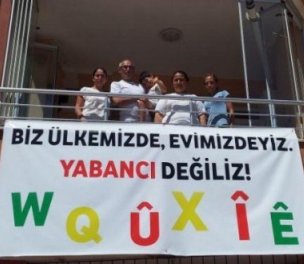
Ahmet Türk, co-chair of the pro-Kurdish Democratic Society Party (DTP), commented, “You can change names, but if you ban the language, then what sense does that make? No Kurd uses the new Turkish names anyway. They use the same (old) names among themselves.”
Turkification
According to Tunçel’s study, many villages in the Trabzon and Rize provinces of the Black Sea had their names changed from Armenian, Laz or Georgian into Turkish. In the East and Southeast of Turkey, names were mostly changed from Armenian, Kurdish and Arabic.
Village names have been changed since the first decade of the 20th century, but especially since the 1940s.
Most changes in Eastern Black Sea and Southeastern Turkey
Tunçel lists the number of villages whose names were changed per province in Turkey:
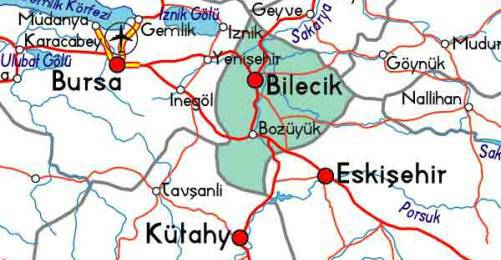
Adana (169), Adıyaman (224), Afyonkarahisar (88), Ağrı (374), Amasya (99), Ankara (193), Antalya (168), Artvin (101), Aydın (69), Balıkesir (110), Bilecik (32), Bingöl (247), Bitlis (236), Bolu (182), Burdur (49), Bursa (136), Çanakkale (53), Çankırı (76), Çorum (103), Denizli (53), Diyarbakır (555), Edirne (20), Elazığ (383), Erzincan (366), Erzurum (653), Eskişehir (70), Gaziantep (279), Giresun (167), Gümüşhane (343), Hakkâri (128), Hatay (117), Isparta (46), İçel (112), İstanbul (21), İzmir (68), Kars (398), Kastamonu (295), Kayseri (86), Kırklareli (35), Kırşehir (39), Kocaeli (26), Konya (236), Kütahya (93), Malatya (217), Manisa (83), Kahramanmaraş (105), Muğla (70), Muş (297), Nevşehir (24), Niğde (48), Ordu (134), Rize (105), Sakarya (117), Samsun (185), Siirt (392), Sinop (59), Sivas (406), Tekirdağ (19), Tokat (245), Trabzon (390), Tunceli (273), Şanlıurfa (389), Uşak (47), Van (415), Yozgat (90), Zonguldak (156). (TK/AG)