





20th Anniversary of Halabja Massacre under Saddam

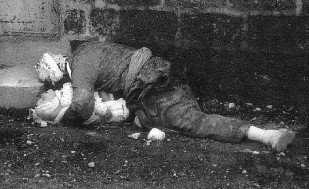



During the Iran-Iraq war, Iran entered the Halabja village in Northern Iraq in March 1988. Saddam Hussein ordered General Ali Hasan al-Majid al-Tikriti, known as “Chemical Ali” in the Western press, to use poison gas bombs in the area.
5,000 dead, thousands more affected
The attack took place on 16 March 1988, and 5,000 people died. Around 7,000 more were wounded. Thousands of people were left disabled because of the attacks and many complications, illnesses and birth defects appeared years after the attacks.
Human Rights Watch later defined the attack as a genocide.
Memorial conference in Halabja
The 20th annivesary was marked by an international conference in Halabja. One of those invited from Turkey was Osman Baydemir, the mayor of Diyarbakir, a Kurdish-majority city in the southeast of Turkey.
Participants at the conference and others went to a memorial later and prayed for those killed.
Events in southeastern Turkey
There were memorial events in Turkey, too. However, according to the Kurdish Firat News Agency, police intervened at a march in Adana, southern Turkey.
There were also events in Yüksekova (southeastern province of Hakkari), and the eastern and southeastern cities of Batman, Siirt and Mardin.
According to the Kenttv. net news, a photo exhibition by university students in Mugla, in the southwest of Turkey, was attacked by nationalists.
Human rights activists condemned massacre
Several Turkish NGOs made statements condemning the attacks, including the Free Thought and Educational Rights Association (Özgür-Der), the Human Rights Association (IHD), and the Assocation for Solidarity with the Oppressed and for Human Rights (Mazlum-Der).
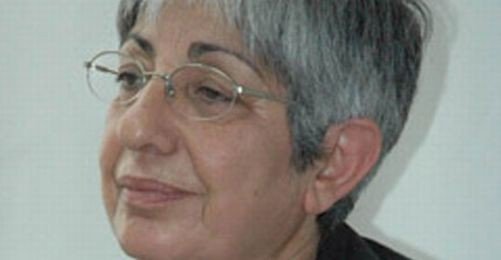
Some human rights activists, including Eren Keskin, have initated a signature campaign, saying: “From the past to today, the Kurds have been oppressed, ‘othered’, forced to assimilate and killed within all of the ‘state borders’ they have lived in. This has not changed since Halabja.” (EÜ/GG/AG)


SOCIAL GENDER EQUALITY
Women and Journalists Hand in Hand against Violence
EUROPEAN COMMISSION AGAINST RACISM AND INTOLERANCE
Discrimination and Racism in Turkey Fuel Concern
Unionists in Northern Cyprus Protest PM Erdoğan
Policeman who Beat Juvenile Claimed Self-Protection
HRANT DINK MURDER
Court fully Protects Istanbul Police