An “Exam” for Turkey’s Democracy: Hrant Dink and Malatya Trials






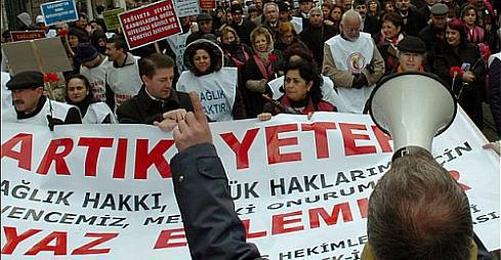
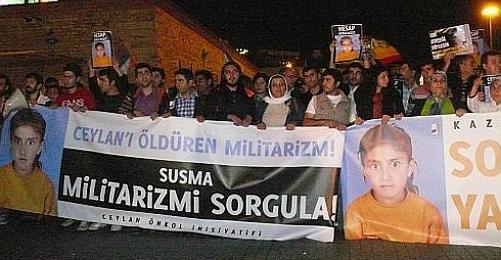
On Monday morning (25 February), a group of around 500 people gathered in Besiktas, central Istanbul, today in order to demand justice in the Hrant Dink murder trial.
No real justice in sight
Journalist Hrant Dink, editor of the weekly Turkish-Armenian Agos newspaper, was shot dead on 19 January 2007. His suspected gunman and many other young men from nationalist circles in Trabzon on the Black Sea are on trial, but it is widely held that the main protagonists in the case are still missing.
There has been evidence of gross negligence on behalf of the Trabzon police and the Istanbul police, but the investigation of many officers has been obstructed, and the trials of junior officers in Trabzon and Samsun have been kept separate from the main murder trial in Istanbul.
At 11 am today (25 February), the protesters, who were carrying placards saying “For Hrant, for Justice”, released a press statement, read by singer Sevval Sam.
In Malatya case also lack of transparency
Sam pointed out that there was a hearing of the Malatya murders today aswell. In Malatya, three Christian men were brutally murdered in April 2006.
German Tilman Ekkehart Geske, as well as Turkish citizen Necati Aydin and Ugur Yüksel were working for the Zirve Publications in Malatya. They are assumed to have been killed by five young men with ultranationalist connections, four of whom were caught at the crime scene, and one of whom had jumped out of the window from the building. Like in the Hrant Dink case, there have been murky connections with nationalist circles and security forces, and similarly, evidence has been tampered with.
Justice in these trials is "a question of honour"
Sam said, “These trials are a question of honour for our country.”
As well as calling for the Samsun, Trabzon and Istanbul trials to be linked in the Hrant Dink case, Sam also said:
“Turkey’s future will be brightened with justice. It will be brightened if Hrant’s murderers, those instigating the murder and those protecting them are punished in an exemplatory manner. It will be brightened if the number of people demanding justice increases and if authorities listen to their voices.”
Malatya court refused access to documents and recording of hearings
At the third hearing in the Malatya murder trial, the joint attorneys complained that they had, illegally, been refused access to documents in safekeeping at the court. In addition, their demand for a recording of the court hearings had been refused thrice. When the Istanbul court decided to record the Hrant Dink murder case hearings, they again applied for the same procedure to be applied in Malatya, but the court refused again. The lawyers have thus demanded a change of judge.
The lawyers have also demanded that a bulk of information on Christians and Christianity as well as personal information on the murder victims be removed from the files, but this request has been refused. The joint attorneys had previously argued that the prosecution had displayed more interest in accusing the men of being missionaries than investigating the murder suspects.
The hearing was postponed to 17 March and the case file will be sent to the Diyarbakir Heavy Penal Court for examination. (EZÖ/NZ/TK/AG)


Galatasaray Üniversitesi'nde felsefe yüksek lisansı yaptı. 2012'de Sorbonne Paris 1 Üniversitesi'nde felsefe doktorasını tamamladı. 2003-2004 arasında Cumhuriyet Pazar'da, 2004'te kısa bir süre BirGün gazetesinde çalıştı. 2007-2008 arasında bianet'te çocuk ve kadın haberleri editörlüğü yaptı. Koç Üniversitesi, Boğaziçi Üniversitesi'nde ders verdi. Felsefe ve yazı çalışmalarına devam ediyor.

Hrant Dink Murder
ECHR Asks: Why Did You Not Protect Hrant Dink?
Ten Thousand Gathered in Istanbul in Memory of Hrant Dink

Dink Hearing: Judge Finally Reacted to Insults
New Arrest in Malatya Murder Case

Suspects Blame Günaydın In Malatya Murders Of Three Protestants

Lawyers Protest at "Negligence" in Malatya Case
Malatya Massacre Suspect Günaydin Takes Back Accusation of Incitement

Malatya Murders Orchestrated by Nationalist Organisations?
Malatya Murders Trial Postponed to 14 April
AI Fears for Life of Malatya Murder Case Lawyer
Hrant Dink Murder
ECHR Asks: Why Did You Not Protect Hrant Dink?
Ten Thousand Gathered in Istanbul in Memory of Hrant Dink
Dink Hearing: Judge Finally Reacted to Insults
New Arrest in Malatya Murder Case
Suspects Blame Günaydın In Malatya Murders Of Three Protestants
Lawyers Protest at "Negligence" in Malatya Case
Malatya Massacre Suspect Günaydin Takes Back Accusation of Incitement
Malatya Murders Orchestrated by Nationalist Organisations?
Malatya Murders Trial Postponed to 14 April
AI Fears for Life of Malatya Murder Case Lawyer
Warming cold-cases with Mannina

NİLÜFER ZENGİN INTERVIEWS LEADING SYRIZA MP KAVVADIA
'Europe's Resurgent Fascism: A Consequence of the Establishment's Choices'
Politician and NGOs Urge for Clarification of Önkol's Death
EU PROGRESS REPORT
Women's Rights Must be Implemented in Daily Life

Protests against Health Care Contribution Rate