





DEATH IN DETENTION
Detained Sözen Dies from Police Bullet
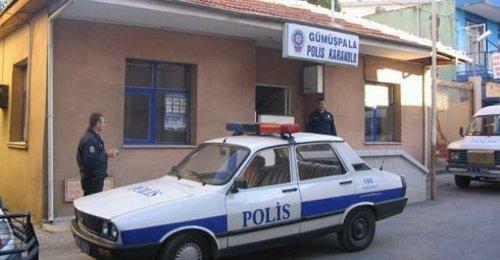



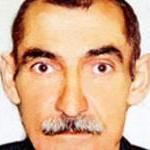
Abdurrahman Sözen was taken into police custody on Tuesday evening, accused of a petty crime, but later died of a police bullet. The police claim that he committed suicide.
Previous accusations of torture
The Gümüşpala police station in Izmir has previously been accused of torture. Following an increase in complaints, a delegation from the Parliamentary Human Rights Committee visited the station in 2003. The Izmir Bar Association's Torture Prevention Group also met many times with station authorities.
The autopsy report notes that "as a result of a close shot, which increases the likelihood of suicide, a bullet entered the head from the right and exited on the left, resulting in loss of life. There were no traces of wounds or blows on the body."
However, Sözen's family and their lawyer dismiss the claim of suicide.
According to a police statement, Sözen was taken into custody after being accused of injuring a person he had argued with. "Making use of a momentary lapse of attention on the part of a police officer whom he had asked for water, he reached through the metal bars, took the gun and committed suicide."
Father Şehmuz Sözen, a retired worker, said: "They took him to the police station from his home, in front of the women and children, not even allowing him to put on his shoes. I will go to the European Court of Human Rights."
"Suspicious death"
Nezahat Başa Bayraktar, the lawyer for the family, said, "According to the police report, Sözen took the police officer's gun and committed suicide. That is very unlikely. It is possible to pass one's hand through the bars at the lockup, but not a hand holding a gun. Because we found the death suspicious, we immediately asked the prosecutor to examine camera records. The prosecution's investigation found that the cameras only have monitoring functions and do not record. The body was in the cell. The head was near the wall, and the gun was near the legs, but not near the fingers."
"Continuing problems"
The parliamentary committee made up of MPs Cavit Torun and Ahmet Faruk Ünsal and expert İrfan Neziroğlu wrote a report on the police station in 2003:
"In order to prevent torture and maltreatment, procedures like demanding a lawyer, notifying relatives and undergoing medical examination must be carried out effectively. While there has been notable improvement in the notification of relatives, there are continuing problems with doctor's reports and the notification of lawyers."
Lawyers from the Izmir Bar Association's Torture Prevention Group filed criminal complaints in order to have torture claims investigated. After an increase in complaints about denying electricity, leaving people hungry or thirsty, tying people's eyes and insults, lawyers from the group had gone to the police station to speak to police authorities. (EÜ/AGÜ)
*T his news item used information from hurriyet.com.tr and İzmir Demokrat Radio.