





TURKISH MEDICAL ASSOCIATION
Health Standards in Turkey Lose in International Comparison




In terms of health, Turkey ranks in 87th position among a total of 169 countries surveyed in a research project by the Turkish Medical Association (TTB).
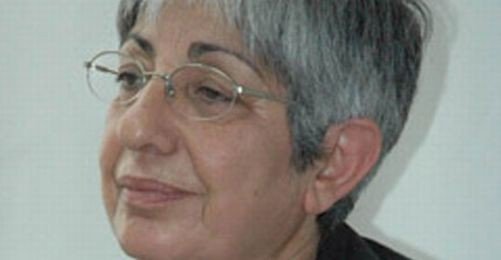
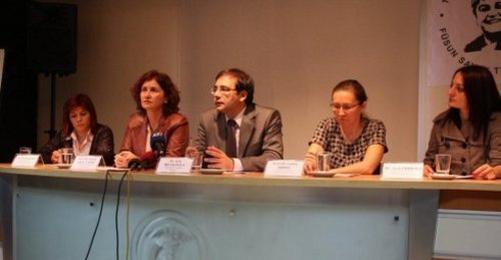
TTB Secretary General Prof. Dr Feride Aksu Tanık gave information on the results in a press conference on Tuesday (26 October). The research considered factors such as the average life expectancy, infant and child mortality, death rate of mothers or reduced life expectancy related to diseases.
The press conference was attended by TBB President Dr Eriş Bilaloğlu and Central Council members Prof. Dr Gülriz Ersöz, Dr. Özlem Azap and Dr. Arzu Erbilici.
According to the survey, Switzerland, Iceland and Australia are leading the list while Malawi, Afghanistan and Sierra Leone bring up the rear.
"Enough doctors - inequitable income is the problem"
Tanık said that the Ministry of Health claimed that the problems stem from a "shortage of doctors" and explained that this was a reductive approach.
"The income level is one of the most important factors that affect the health level of any country. Other factors on the health level are the inequality of income distribution, education and social security resources for instance. The argument of an "insufficient number of doctors" is an attempt to conceal deficits related to the other factors", Tanık indicated.
Secretary General Tanık pointed out that the study also reviewed the number of doctors and came to the conclusion that Turkey should have 113,902 physicians. According to data from 2009, the actual number of doctors in Turkey amounted to 110,400, hence a shortage of doctors is not acute.
* An increased number of physicians would not improve the level of health in Turkey. By increasing the supply of man power in the health sector, the share of man power in the costs of health services would be reduced. Thus, the unemployment rate of doctors would increase.
* New medical schools should not be opened. Instead, the capacities of the existing medical schools should be increased. The ruling Justice and Development Party (AKP) is playing a dangerous game on medical education by opening new faculties that lack a proper base and increasing the capacities of the medical schools. Economic pressure should be lifted from medical schools and the faculties should give priority to education and research.
* All public health workers should be provided with proper working conditions such as full-time work at a single work place, a decent salary and union rights like the right to strike and to collective agreement. (EÜ/VK)


SOCIAL GENDER EQUALITY
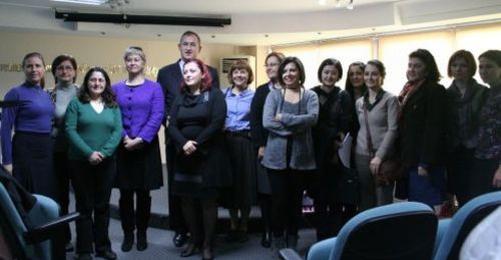
Women and Journalists Hand in Hand against Violence
EUROPEAN COMMISSION AGAINST RACISM AND INTOLERANCE
Discrimination and Racism in Turkey Fuel Concern

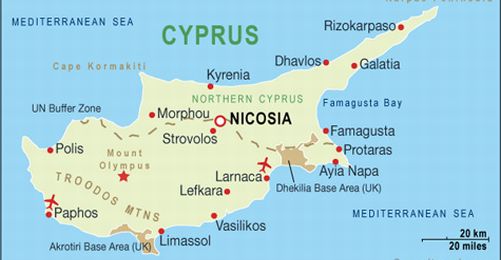
Unionists in Northern Cyprus Protest PM Erdoğan
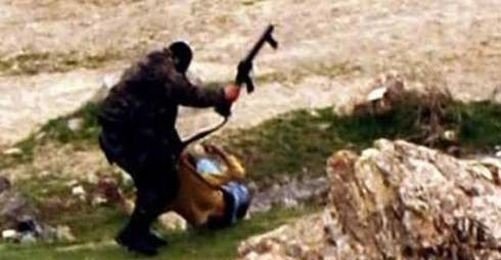
Policeman who Beat Juvenile Claimed Self-Protection
HRANT DINK MURDER
Court fully Protects Istanbul Police