Awareness for Bullying at Work just Awakening





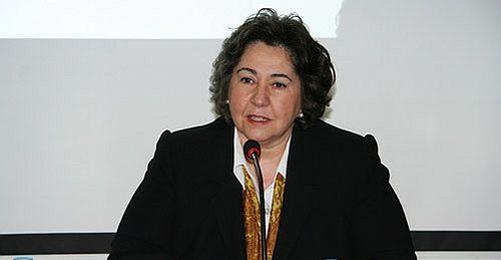
Lawyer Ayşe Altınparmak and Çağlar Çabuk, founder of Turkey's first training centre against bullying at work, spoke before the Sub-commission on Harassment at Work and Proposal for Solutions as part of the parliamentary Commission on Equal Opportunities for Women and Men.
Çabuk informed the commission about the characteristics of harassment at work and pointed to the duration, a systematic pattern and the focus. According to Çabuk, bullying means that the harassment occurs at least once a week over a period of at least six months. The victims may suffer physical as well as mental harm.
Bullying at work might stem from personal antipathies, religion, race, social differences, envy or ego satisfaction, Çabuk said. Violence can increase over time and the behaviour of victims of bullying at the workplace may change dramatically.
Pressure makes sick
Çabuk outlined methods of bullying as "isolation, insult, taunt, humiliation, an unrealistic work load, reducing work, spreading rumour, reprimand, physical violence and sexual harassment". Bully victims develop diseases, experience stress, feel anonymous and lack self confidence, she explained.
Çabuk indicated that bullying at work usually happens to people aged between 30 and 40 years old, men and women are affected likewise. The harassment can be imposed by a superior but often happens between employees in equal positions as well.
Pressure from superiors
Çabuk carried out a research with 135 people in Turkey between 2008 and 2009. According to her findings, 85 per cent of the people who work under this sort of pressure develop stress symptoms and 56 per cent experienced disdain, criticism and taunt. In 61 per cent of all cases the pressure was imposed by a superior. Çabuk said that ethic committees should be established at work places and units that accept applications and give support should be implemented.
Bullying at work usually results in the resignation of the victim or in developing symptoms of diseases. Çabuk drew special attention on necessary evidence and witnesses of the harassment.
Change of concepts
Lawyer Altınparmak is the first attorney who won a case on bullying at work in Turkey. She drew attention to the fact that this form of harassment is recognized as a criminal offence in many countries. She explained that in some countries precautions are being taken that hamper a lay-off and that an annual salary has to be paid if the person is made to leave.
Altınparmak talked about her case at the Ankara 8th Labour Court which accepted her client's compensation claim and decreed for the re-appointment to the former position. Subsequent to this first decision on harassment at work, the case entered the judiciary as a precedent decision, Altınparmak said.
The lawyer anticipated that harassment at work will enter the legislation on a wider scale. "'He is the husband so he beats' - just as this concept has started to disappear, the concept of 's/he is the superior so s/he does it' will also disappear in time", she said. (BB/VK)