15TH TURKISH INTERNET CONFERENCE
The Internet's Role for a Participatory Democracy

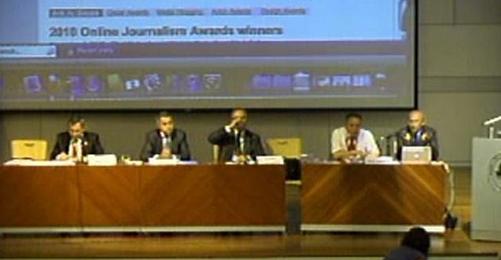



"Mobile Life" is the main topic of the 15th Turkish Internet Conference is being held at the Istanbul Technical University on 2-4 December.
Press representatives and members of parliament contributed to the panel discussion entitled "Internet and Democracy: What needs to be done for a more transparent and participatory democracy?" on Thursday (2 December). The event was hosted by Prof. Mustafa Akgül, Head of the Internet Technology Association (İNETD) and Member of Faculty at Bilkent University (Istanbul).
Cumhuriyet newspaper journalist Utku Çakırözer said that the internet helped to develop investigative journalism and publications of public inquiries.
"By publishing in the internet it is possible to analyze which news [the readers] are interested in. The internet user can participate in the process interactively by posting comments or news. We are trying to reach a broad audience via all sorts of platforms such as Facebook, Twitter and the iPhone.
Osman Coşkunoğlu, member of parliament for the Republican People's Party (CHP), talked about political participation and discussed the success of the applications of new methods.
He furthermore emphasized the importance of removing obvious lies by going over untrue and manipulative publications that are not connected to any kind of political party.
Alım Işık, member of parliament of the Nationalist Movement Party (MHP), indicated that mutual exchange of information and support of ideas via the internet will develop a participatory democracy.
Işık pointed to the election threshold of ten percent and stated, "It is even being discussed how 'representative' the parliament actually is. Yet, the internet can play a role in transforming the representative democracy into a participatory democracy". He stressed the fact that deficiencies in the infrastructure, in the administrative interests and technical matters hamper the creation of this new democracy.
Hüseyin Mert from the Democratic Left Party (DSP) highlighted, "Students of all age have to use the internet nowadays. The state should transparently transmit what they do to the people via the internet and should provide auditing for all their actions".
Following the conference via the net
The conference comprises panel discussions and presentations as well as training seminars. The events scheduled in the main conference hall can be followed via the internet. (EÇ/EÜ/VK)




Journalist Sued for Calling Deputy "Manservant of the People"
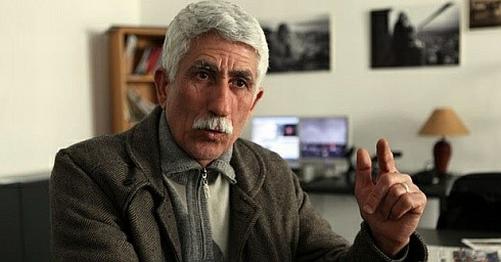
Journalists Mavioğlu and Soykan at Court
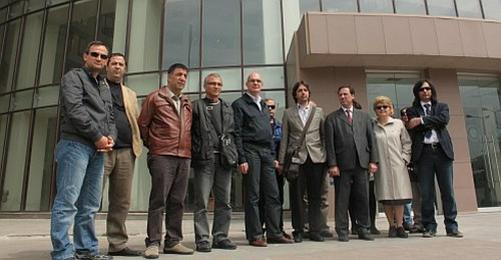
Journalist Şener at Court for the First Time after his Arrest
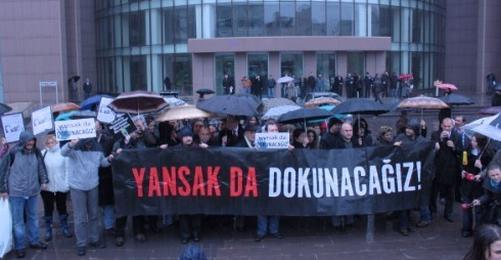
Journalist Pelek still in the Dock for "Editorship"