









Training Journalists
IPS Communication Foundation Publishes Journalism Handbook

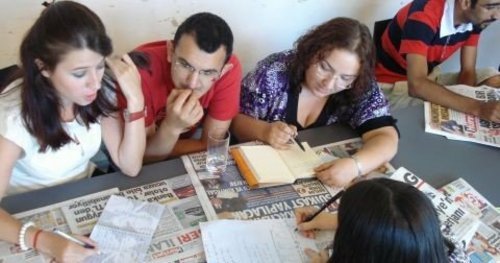



Graduates of communication faculties find it difficult to be "journalists" as soon as university ends. One reason is that there is a lack of jobs, the other is that journalism requires experience.
Training for young journalists
The İPS Communication Foundation, which also runs the bianet project, has been offering training for young journalists since 2007. The seminars, entitled "From the Classroom to the Newsroom", have provided new graduates with a smoother transition into the profession.
Each year, one graduate from each communications faculty at universites in Turkey and Northern Cyprus takes part in a weekly programme, which this year will take place from 11 to 18 July.
Handbook on rights journalism
The journalists and academics offering the training have now also collected their advice in a handbook entitled "The New Journalists' Handbook: Starting out in Journalism, from the Classroom to the Newsroom".
The book was published as part of the BİA series on Rights Journalism, published by the İPS Communication Foundation Publications, with support from the Swedish International Development Agency (SIDA).
Edited by Prof. Dr. Sevda Alankuş, BİA education consultant and dean of Izmir Economy University's Communications Faculty, the handbook contains presentations by well-known journalists such as Umur Talu, İpek Çalışlar, Altan Öymen and Nurcan Akad, as well as academics in communication faculties, such as İncilay Cangöz, Özden Cankaya and Ragıp Duran.
The book is divided into four parts. Part 1, entitled "News Criticism and Theory, the Necessity of Rights Journalism" includes a presentation by Umur Talu on the development of journalism in Turkey, an article by İncilay Cangöz on media clichés, and a discussion by Sevda Alankuş on rights journalism, citizen's journalism and peace journalism.
Part 2, entitled "For Rights Journalism", includes a discussion of Turkey's political environment and rights journalism by Yavuz Önen, an article on human rights and the media by Hüsnü Öndül, an article on the reasons and methods of rights journalism by Gülgün Erdoğan Tosun, a presentation of ethical violations committed by TV journalism by Özden Cankaya, a discussion of a different type of communications channel by bianet's coordinator Ertuğrul Kürkçü, and the story of bianet by one of its editors, Erhan Üstündağ. Murat Çelikkan and Tolga Korkut point to the traps that journalism candidates can fall into.
Practical advice
The third part, entitled "Starting out in Journalism", contains articles by İpek Çalışlar, Mete Çubukçu, Ragıp Duran, Ahmet Tulgar and Rana Yılmaz, discussing the mental preparation for entering the profession.
Part 4, entitled "Looking for News", includes contributions by Nurcan Akad, İpek Çalışlar, Füsun Özbilgen, Altan Öymen, Tuğrul Eryılmaz and Murat Utku.
The book hopes to provide both newcomers and experienced journalists with advice. (ÇÖ/EÜ/AG)

Gazeteci, sinemacı, çevirmen.
"From the Classroom to the Newsroom" 2009
"As a Journalist, Know Your Rights"

"From the Classroom to the Newsroom" 2009
What You Don't Learn at University: Peace and Rights Journalism

"From the Classroom to the Newsroom" 2009
"Domestic Violence is Presented in the Language of the Aggressor"

"From the Newsroom to the Classroom" 2009
Journalism Course Ends with Alternative First Pages
"From the Classroom to the Newsroom" 2009
Young Journalists Visit Açık Radio and bianet

IPS Journalism Training Programme is the "Missing Link"
Communication Students from Izmir Visit bianet
"From the Classroom to the Newsroom" 2009
"We Will Join The Union" Vow Young Journalists
"From the classroom to the Newsroom" 2009
Training in Rights Journalism Starts for Young Graduates
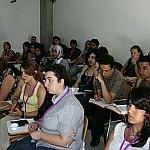
IPS Training for Young Journalists
"From the Classroom to the News Room"
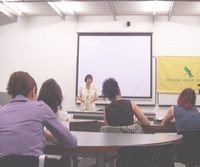
"From the Classroom to the Newsroom" 2009
"As a Journalist, Know Your Rights"
"From the Classroom to the Newsroom" 2009
What You Don't Learn at University: Peace and Rights Journalism
"From the Classroom to the Newsroom" 2009
"Domestic Violence is Presented in the Language of the Aggressor"
"From the Newsroom to the Classroom" 2009
Journalism Course Ends with Alternative First Pages
"From the Classroom to the Newsroom" 2009
Young Journalists Visit Açık Radio and bianet
IPS Journalism Training Programme is the "Missing Link"
Communication Students from Izmir Visit bianet
"From the Classroom to the Newsroom" 2009
"We Will Join The Union" Vow Young Journalists
"From the classroom to the Newsroom" 2009
Training in Rights Journalism Starts for Young Graduates
IPS Training for Young Journalists
"From the Classroom to the News Room"