





KURDISH ISSUE
Turkey Rejects Desmond Tutu’s Peace Letter
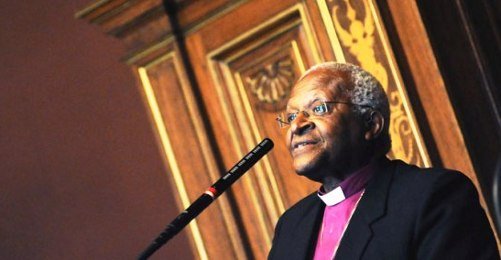



Turkey has rejected Nobel Peace Award winner Archbishop Desmond Tutu's letter to Prime Minister Recep Tayyip Erdogan. In the letter, Tutu was asking Erdogan to solve the Kurdish problem through peaceful negotiations.
Tutu's representative Reverend Matthew Esau, who took the letter to Turkey's London Embassy yesterday (10 August), said: "We are very saddened but we will not stop our efforts to try and engage the Turkish government."
Esau continued as follows:
"We informed them over a week ago that we wished to deliver a letter from Archbishop Tutu. We spoke to the Personal Assistant of the Ambassador and she assured us that even if the Ambassador could not meet me she would be able to take the letter from me. On arriving at the Embassy this morning ... the policeman who was standing in front of the door said he was under strict instructions not to let anybody come in or to accept any letters. This behaviour is unbecoming towards representatives of Archbishop Tutu... We will protest this behaviour to the highest level in the Turkish government."
"Even South Africa did not do this"
Esau continued:
"Not even during apartheid when we were fighting the racists and those, who were oppressing black people in South Africa did our Embassy here in London or anywhere else in the world refuse to receive letters. ... If this is the way in which the Turkish government approaches the offer of help from Archbishop Tutu then we are very saddened but we will not stop our efforts to try and engage the Turkish government."
British Parliamentarian Jeremy Corbyn, who accompanied Reverend Esau to the Turkish Embassy, said: "It is high time that there were proper talks between the Turkish government and the political representatives of the Kurdish people. It is extraordinary that the Turkish Ambassador refused to even open the door to the personal representative of Archbishop Tutu. So we will send the letter and continue the campaign for justice."
Tutu had said peaceful negotiations are the only way
In his letter, Tutu had complimented Erdogan's statements on the Palestinian problem. Tutu added that he was "concerned at the escalation of the conflict ... in which innocent young people, from both sides, are losing their lives." Tutu added:
"We know from experience that no-one can emerge as the victor in such a conflict." Like the situation in the Middle East, "we are firmly of the view that the Kurdish question can likewise be resolved through peaceful negotiations with the genuine leadership of the Kurdish people."
Tutu also offered the help of the Kurdish Human Rights Action Group (KHRAG). (TK/EA)