"Turn Diyarbakır Prison into a Museum!"

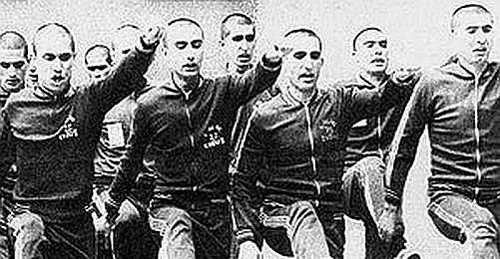



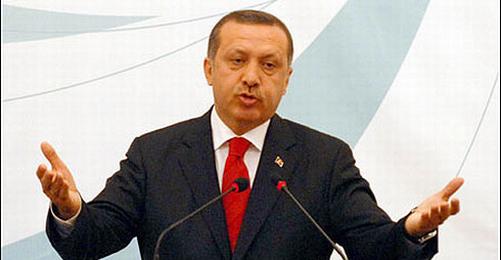
Mehdi Eker, Minister of Agriculture and Village Affairs, has talked about the possibility of having Diyarbakır prison knocked down and a school built there.
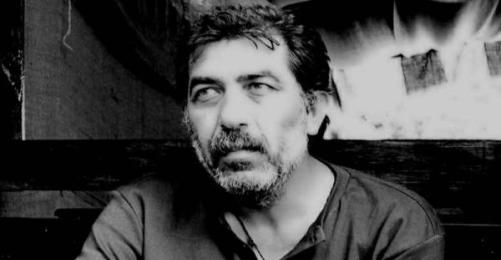
However, Hamit Kankılıç, who spent eight years in the prison, says, "I am both a victim of and a witness to all the torture, maltreatment and deaths in prison".
"A museum of shame"
He said, "Diyarbakır prison should become a museum of shame, so that society, and Kurds in particular, who carry the scars of the prison, need not experience such pain again."
Kankılıç further demands that those who carried out the torture be found and, if still alive, be put on trial.
Kankılıç was caught in Siverek, province of Şanlıurfa, shortly before the military coup of 12 September 1980 and was tried in the main PKK trial, then taken to Diyarbakır prison.
He says that there are no words to describe what the prisoners experienced there.
"Physical violence, beatings, covering people in excrement, forcing ten burning cigarettes into a person's mouth...we had no right to defend ourselves. Even speaking became a reason for torture. They threw mice onto us and raped us anally with truncheons. Practices that were unconceivable to people otherwise, such as electric shocks to the genitals, were normal in prison."
The former prisoner adds, "If the prison is turned into a school, it proves that the government is not sincere about its Kurdish initiative."
The past must be faced, not erased
He cites the transformation of Nazi concentration camps into museums as an example so that Germany could face up to its past.
"The government must apologise to Kurds for what happened in that prison. Turning it into a museum would be an apology. Diyarbakır prison is a symbol of injustice, inequality and oppression in Kurdish memory. Those who want to build a school there want to wipe clean the memory of Kurds and of this society. But in order for such things not to happen again, the events of Diyarbakır prison must not be forgotten, and we must not let them be forgotten."
Kankılıç said that many countries, such as Argentina and Peru, have put those responsible for such torture and maltreatment on trial. "In Turkey, however, such people are rewarded. Symbols of pain are destroyed. The Sultanahmet prison (in Istanbul) has been turned into a restaurant. The Madimak hotel (in Sivas, where dozens of Alevi intellectuals died in a fire) has also been turned into a restaurant. [...] No one has the right to manipulate society's memory."
Prosecution of torturers
He further calls for the trial of "first of all Kenan Evren, President of the time and coup leader, as well as torturers Oktay Saldıraner, Captain Esat Oktay Yıldıran, Lieutenant Ali Osman Aydın, Sergeant Mevlüt (surname not known), military prosecutor Cahit Aydoğan and others."
"Today, as democracy is being discussed, society must face its own past and call those responsible to account. In that way we can take more serious steps for peace and for democracy."
Kankılıç has written a book on his experiences, to be published soon. He believes that only those who experienced the traumas can tell others about them
27 years after the military coup, in 2007, a group of rights activists, journalists, scientists and intellectuals, led by the 78'ers Federation and the 78'ers Foundation Initiative, founded a "Committee for Research into the Truth of Diyarbakır Prison and Justice". The committee is carrying out oral history projects with former inmates of the prison. (BÇ/AG)
* Click here for a website (in Turkish) of former prisoners in Diyarbakır prison.


SIGNATURE CAMPAIGN
Diyarbakır Prison Should Become a Museum
12 Highschool Students Make 12 September Documentary

Province Human Rights Board Report
Children's Situation in Diyarbakır Prison is "Desperate"
Children's Holiday
State Disciplines Kurdish Children in Prison
Time To Face Diyarbakır Military Prison Of The September 12 Coup

12 September: Human Rights Violations
Anniversary of Military Coup
"End the Darkness of 12 September"
SIGNATURE CAMPAIGN
Diyarbakır Prison Should Become a Museum
12 Highschool Students Make 12 September Documentary
Province Human Rights Board Report
Children's Situation in Diyarbakır Prison is "Desperate"
Children's Holiday
State Disciplines Kurdish Children in Prison
Time To Face Diyarbakır Military Prison Of The September 12 Coup
12 September: Human Rights Violations
Anniversary of Military Coup
"End the Darkness of 12 September"