General Staff: Aerial Strike on 20 PKK Hideouts
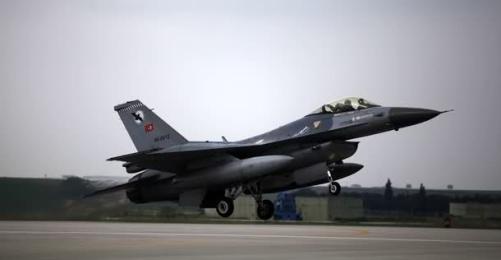



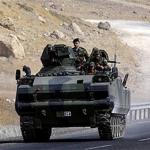
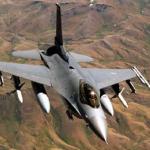
On Saturday (20 August), the Presidency of the General Staff issued a statement on the third aerial strike in the region of Qandil, the mountainous area in northern Iraq that holds the base of the outlawed armed Kurdistan Workers' Party (PKK). According to the statement of the Turkish Armed Forces (TSK), 20 points were bombed.
The 20 targets of the aerial combat are located on Qandil Mountain and in the area of Sinath-Haftanin, Hakurk and Gara. It was also said in the statement that the warplanes returned to their base. Apparently, 85 targets in the regions of Zap, Avaşin-Basyan and Hakurk were shelled with artillery.
In the meantime it was announced that gendarmerie special operation teams were sent by helicopter to military bases in the district of Çukurca (Hakkari).
The Kurdish news agency Fıratnes reported that Skorsky helicopters took off from the 21st Border Gendarmerie Brigade Command in Çukurca to take the teams to military bases in Işıklı, Çayırlı and Hakantepe on the Turkish-Iraqi border.
"Sri Lanka Model is no solution"
The Diyarbakır Provincial Organization of the Peace and Democracy Party (BDP) and the Istanbul Democratic City Council condemned the aerial strikes on Qandil and the government's "language of war" in press releases planned for Sunday (21August) afternoon.
The statement criticized the so-called "Sri Lanka model" as put forward in the media some weeks ago, comparing the situation of Kurds with the Tamils in Sri Lanka.
"Sri Lanka is not a model for a solution but for slaughter. This project means bitter tears and the killing of civilians. It brings a process of destruction and assimilation like the policies of the fascist coup d'état on 12 September [1980]", the statement read.
It demanded to lift the isolation of imprisoned PKK leader Abdullah Öcalan and resume talks with him. The government of the Justice and Development Party (AKP) and the President were urged to act in awareness of their responsibilities.
"The Turkish people are waiting for peace. Peace will not come with threats and isolation", it was said.
Demand for peace met with tear gas
However, the police did not allow the group to make their announcement on Takism Square in Istanbul on Sunday. Hence, BDP deputies Sebahat Tuncel and Gültan Kışanak and Labour, Democracy and Freedom Block deputy Levent Tüzel issued the statement in front of the BDP provincial building.
Kışanak warned that the insistence on military operations would plunge the country into chaos. "Gas bombs, truncheons and panzers were put up against this demand for peace (...). Open the way to dialogue and negotiations to solve the Kurdish question", Kışanak addressed President Abdullah Gül.
The police intervened with tear gas when the crowd dispersed after the press release. The protestors threw stones at the policemen. Nine people were taken into custody.
"26th operation on Qandil"
In Diyarbakır, about 5,000 people gathered to demonstrate against the aerial strikes on Qandil Mountain. The police intervened against the crowd that was joined by BDP deputies Nursel Aydoğan, Adil Kurt, Aysel Tuğluk and Diyarbakır Mayor Osman Baydemir.
When the police stopped the protestors, BDP deputy Aydoğan read out the press release on the spot. She said that the actual aim of the 26th operation on Qandil Mountain was the depopulation of the region and the emptying of local villages in order to prepare a more forceful land operation against the PKK. (AS/NV)
Sources: ntvmsnbc.com and Etkin News Agency.