





KURDISH QUESTION
Peace Parliament: Pave the Way to a Solution, not to NATO
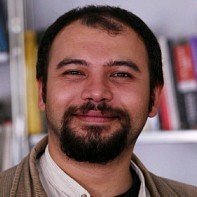
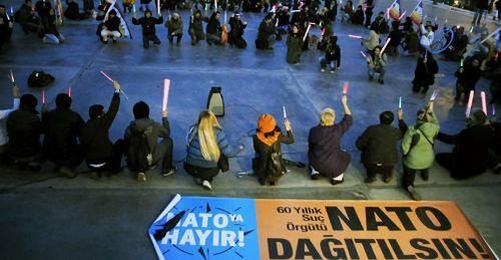



The Turkish Peace Parliament (TBM) criticized the announcements made by the Chief of the General Staff and the Prime Minister. Calling the NATO on duty against the militant Kurdistan Workers Party (PKK) means to insist on a military solution. And that would deepen the deadlock of the Kurdish question, the Peace Parliament warned.
The current spokesman of the TBM, Metin Bakkalcı, said in a statement issued in Ankara on Tuesday (6 July):
"The Kurdish Question is a problem of Turkey. It is a problem of freedom and democracy in Turkey that can be solved by developing democracy and by a voluntary co-operation of the people. Insisting on a military solution means to doom the problem to a deadlock. It means that the number of deaths is going to rise. The only possible solution is to have the issue discussed by negotiators. This can be achieved by relying on Turkey's internal dynamics instead of counting on external forces".
At the G20 summit in Toronto, Canada, Prime Minister Recep Tayyip Erdoğan said that the NATO could take on the task against the PKK in Iraq similar to their duty in Afghanistan. The Chief of General Staff, Gen. İlker Başbuğ, had stated that the cut of economic support for the PKK was dependent on the attitude of the NATO member states.
Spokesman Bakkalcı criticized the ruling Justice and Development Party (AKP) in his statement:
AKP gave up on "opening initiative": The government abandoned the "Opening Initiative" announced last year. This became clear when they arrested representatives of Kurdish local governments and members of the peace groups that came from Mahmur and Kandil with the aim to contribute to peace. They squashed hopes of resolving the Kurdish question with democratic and liberal tools and methods.
NATO does not break the deadlock: The people that blocked a democratic and peaceful solution are now resorting to military measures on the highest level. On one hand they intensified military operations. On the other hand the Chief of General Staff and the Prime Minister declared their intentions to call the NATO on duty against the PKK. This means to insist on a military solution. Everybody knows what the NATO did in different countries in recent years and is concerned about what they will do in the powder keg of the Middle East. This is a multi-faceted problem with political, cultural and economic aspects. Referring to international military forces is wrong in all aspects and paves the way to deepening the deadlock.
Solution with negotiators: We issue a warning as the Turkish Peace Parliament. The people who cannot ensure peace in the country invite a war that leaves the people in poverty and carnage. The ones who gain from the war are trying to provoke the people against each other by inciting nationalism. Turkey is turning into hell by pressure imposed on Kurdish seasonal workers, by continuing to arrest Kurdish politicians and deaths and conflicts. NATO is not the solution for the problem but negotiations lead by middlemen. (TK/VK)

NATO SUMMIT
Turkey as the "Trojan Horse of the Middle East"
Unrest against Kurdish Population in Hatay
505 Lawyers Call for End of Military Operations
KURDISH QUESTION
"CHP Avoids Kurdish Question"
Wave of Violence in South-Eastern Turkey Does not Abate
Possible Solution for Kurdish Question Suits EU Accession Process

"A Solution for the Kurdish Question must be a Solution for Turkey"
NATO SUMMIT
Turkey as the "Trojan Horse of the Middle East"
Unrest against Kurdish Population in Hatay
505 Lawyers Call for End of Military Operations
KURDISH QUESTION
"CHP Avoids Kurdish Question"
Wave of Violence in South-Eastern Turkey Does not Abate
Possible Solution for Kurdish Question Suits EU Accession Process
"A Solution for the Kurdish Question must be a Solution for Turkey"
KURDISH QUESTION
PKK Ceasefire to be Terminated on 31 October?
KCK CASE
Court Dismissed Request for Defence in Kurdish
7th Istanbul Gathering for Freedom of Thought
CONSTITUTIONAL AMENDMENTS
58 Percent Said "Yes" to Constitutional Reform Package

Rights Organizations 3 Years ahead of Foreign Minister