





“2011 Elections Must be Electronic”
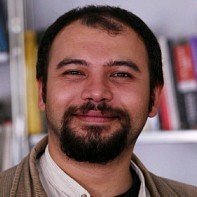



Gürsel Tekin, Istanbul party chair of the Republican People’s Party (CHP) has emphasised the need for ballots to take place with an electronic system in order to avoid accusations of tampering and mistakes.
Following the local elections on Sunday (29 March), the main parties have questioned the results in around 20 provinces.
If there are no early elections, the next time Turkey will go to the polls will be in 2011, for the next general elections.
Tekin told bianet that ballot papers were found in the rubbish and that there were accusations that the vote counting and reporting were tampered with. “Of course there may be tampering and unauthorised access to the system with an electronic system, too. However, compared to the system now, this would be one in a million. After all, the government proudly calls itself the ‘e-State’.”
The party chair pointed to the high number of invalid votes. According to the first count, one in every 50 votes was invalid. He believes that the electronic system would reduce such a number.
According to Tekin, there were three problems with the sytem on Sunday:
Electricity cuts: In some places, the electricity went off on 29 March and the system which the Supreme Election Board (YSK) used to process the numbers was blocked. On 22 July 2007, in the last general elections, the system worked. Why were there electricity cuts and why did the system break down? Could the YSK not have taken precautionary measures? Would it have been difficult to put a generator near all the schools were people voted? In the places where there were electricity cuts, ballot papers may have been stolen, and numbers may have been changed.
Ballot papers: The very long ballot papers were problematic. It was difficult for voters to find the candidates or the party. Several ballot papers had to be put into one envelope. All the folding and putting into the envelope caused the ink of the voting stamp to smear, and this led to invalid votes. In some places where a party did not have a candidate, the party was still on the ballot paper.
Access for disabled: Thousands of disabled citizens were not able to vote because the school buildings were unsuitable and there were no lifts. (TK/AG)

ERTUGRUL KURKCU's analysis
Electorate Buries Erdoğan's Arrogance at Polls

That Makes Two: Only One New Female Province Capital Mayor

CHP Demands Recount in 5 Istanbul Districts

The Municipalities Erdoğan “Definitely” Wanted…

Six Armenians in Istanbul’s Municipal Councils

400 Thousand Disabled Denied the Right to Vote

Türk: AKP Did Not Solve Kurdish Question, Kurds Took Votes Elsewhere
2011 GENERAL ELECTIONS
Party's Women Branches Lobbying for Women Candidates

MONITORING OF GENERAL ELECTIONS
OSCE: Journalists Apply Auto-Censorship
Human Rıghts Foundatıon Report
Local Elections in Turkey Cost 26 Lives

ERTUGRUL KURKCU's analysis
Electorate Buries Erdoğan's Arrogance at Polls
That Makes Two: Only One New Female Province Capital Mayor
CHP Demands Recount in 5 Istanbul Districts
The Municipalities Erdoğan “Definitely” Wanted…
Six Armenians in Istanbul’s Municipal Councils
400 Thousand Disabled Denied the Right to Vote
Türk: AKP Did Not Solve Kurdish Question, Kurds Took Votes Elsewhere
2011 GENERAL ELECTIONS
Party's Women Branches Lobbying for Women Candidates
MONITORING OF GENERAL ELECTIONS
OSCE: Journalists Apply Auto-Censorship
Human Rıghts Foundatıon Report
Local Elections in Turkey Cost 26 Lives
KURDISH QUESTION
PKK Ceasefire to be Terminated on 31 October?
KCK CASE
Court Dismissed Request for Defence in Kurdish
7th Istanbul Gathering for Freedom of Thought

CONSTITUTIONAL AMENDMENTS
58 Percent Said "Yes" to Constitutional Reform Package
Rights Organizations 3 Years ahead of Foreign Minister