Hearing-Impaired Demand Suitable Cities



"Party representatives come to us before the elections and offer us one-time support. But we, the hearing-impaired demand sustainable support."
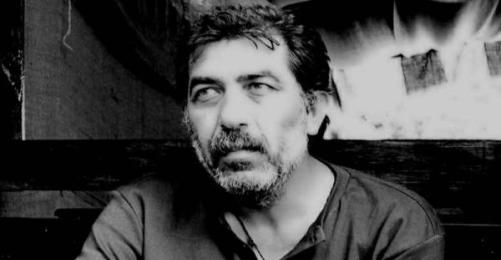
Karşıyaka Association of Hearing-Impaired Persons volunteer Necati Kavuncu demands constructive and concrete policy proposals from candidates before the upcoming local elections on March 29th.
Emphasizing the lack of suitable arrangements for the hearing-impaired in city planning, Kavuncu explains the main problems encountered:
Lack of appropriate signalization in traffic: Suitable arrangements in the underground metro don't exist in other public transportation systems. We need audio warnings of coming stations in busses.
Support and cooperation with NGOs: It's hard to say that local governments have worked together with NGOs working in the field to this day. Neither the decisions nor the practices are executed in collaboration with those facing the problem. They shouldn't forget that we also live in the cities. Moreover, associations need financial support as well as places to make cultural, social and sports activities.
Related activities: Local governments' nearly all services are directed to people without disabilities. We demand fitting arrangements to be done, so that the hearing and visually impaired can also attend to screenings, conferences etc.
Representation in local governments and employment: Local governments have committees involving disabled persons but there are problems. For example I'm a member to the committee but no one calls to ask for my intervention. The result is that our voices aren't heard. Furthermore, most disabled persons live their lives dependant on their families. Local governments could employ more of these people, thus giving them the chance to develop self-esteem.
Support for families: Most families lack enough financial opportunities to provide their disabled children. As a result, children can't reach education or health facilities. Families can't even contact associations and condemn their children to a anti-social life.
"We urge an urgent change in the approach which treat disabled persons with pity" says Kavuncu. "Local governments can contribute to that change, to averting the prejudices in the society."(BÇ/AGÜ)