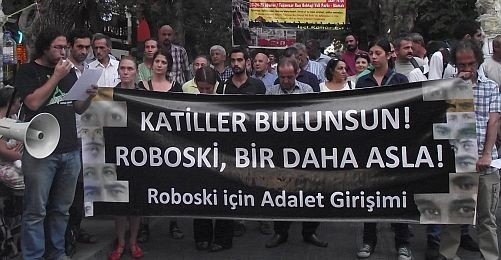
1980 COUP ON TRIAL
Forensics: Architects of Turkey’s 1980 Coup Unable to Attend Trial

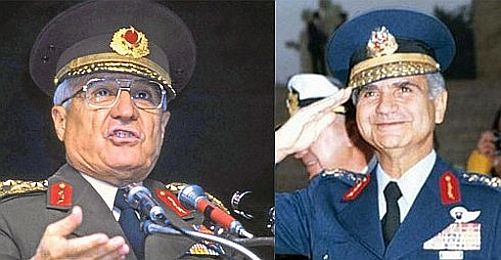



The Forensics Institute issued a report indicating that former generals Kenan Evren and Tahsin Şahinkaya, the leaders of Turkey's Sept. 12, 1980 coup, would not be able to attend the third hearing of their trial on Friday morning at the Ankara 12th Court for Serious Crimes due to reasons of health and age.
"Even if they were to arrive [at the courthouse in the company of] paramedics, that would still be damaging with respect to the state of their health, as they will have to exert an effort for a long period. Their situation is life-threatening," read the report, which the Forensics Institute unanimously approved.
"It is out of question for us to accept this decision. They are trying to [make us swallow] malaria," said Senih Özay, a joint attorney in the trial.
A delegation composed of experts from independent health institutions should have assessed their situation instead, according to lawyer Özay.
The third hearing of Evren and Şahinkaya's trial began in Ankara at 10:00 a.m. on Friday.
Turkey's Seventh President Kenan Evren, the Chief of Staff at the time of the Sept. 12 coup, and Tahsin Şahinkaya, the back-then commander of the Air Force, are currently standing trial without arrest.
The two former generals are facing charges in connection with the 146th and 80th articles of the 765th Law of the Turkish Penal Code (TCK) that pertain to "crimes committed against the forces of the state," with a demand for an aggravated life imprisonment sentence for both suspects.
"Forensics Insitute shielding criminals"
"[They] are not bringing the Sept. 12 coup suspects in to the courtroom, just as [they refrain from] finding the culprits of [last year's] Uludere massacre. The Forensics Report is shielding the crime and the criminal[s,]" said Müşir Deliduman, another joint case attorney.
Lawyer Şenal Sarıhan also called for the suspects to be brought to the courtroom and tried in accordance with the public's conscience.
"It is out of question for the Forensics Institute to issue an independent report. An independent delegation involving the Turkish Medical Association (TTB) ought to be formed," she said.
"The suspects are going to experience the same stres regardless of whether they are in the courtroom or at the hospital. This report was prepared with possibilities in mind. [Authorities] ought to issue a decision to arrest the suspects," said lawyer Öztürk Türkdoğan, the head of the Human Rights Association (IHD.)
"They could retain their silence once they are in the courtroom, but this moment should be photographed for the sake of [satifsying] the public's conscience," he added.
The prosecutor also called for all parties that demand to intervene in the trial to be granted their request if they can present documents that verify the unjust treatment they were subjected to, while stating his legal opinion.
The prosecutor further requested that the court take the suspects' pleas through the medium of audio-visual devices instead, in compliance with the forensics report. (AS)


Constitutional Court: Judicial fine for comment on 1980 coup leader violated free expression
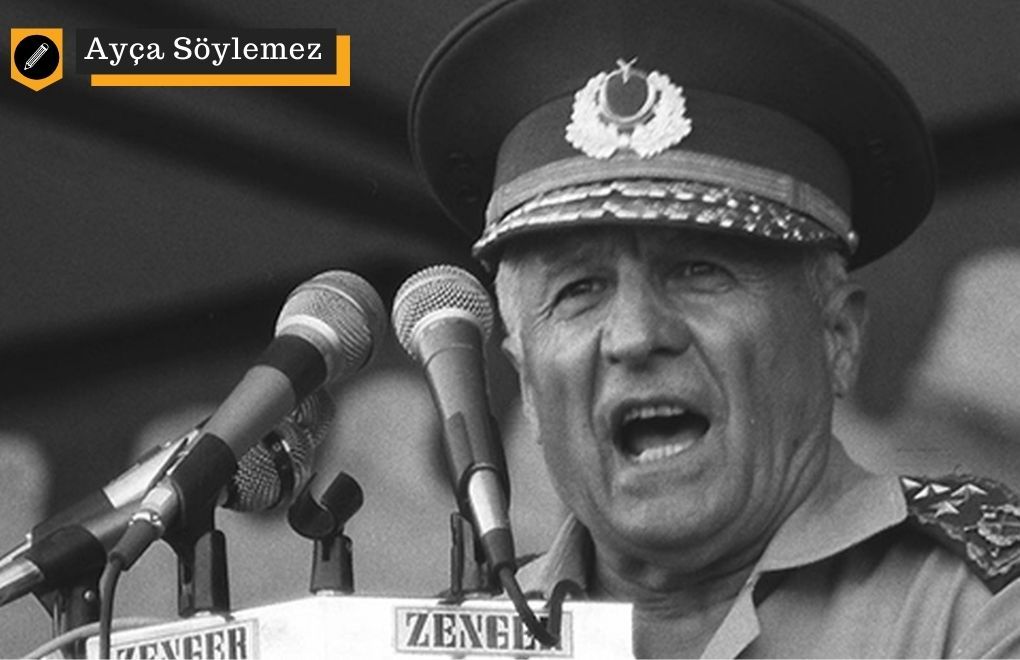
DEBATES OVER JUDICIAL REFORM RAGE ON
No Leftists Convicted in 1980 Coup Left Behind Bars?
Military Coup Case Begins with Victims' Cry for Justice
More People Come Forward for Justice at Military Coup Case
12 SEPTEMBER INDICTMENT
Blame or Defense?
12 September Indictment Accepted
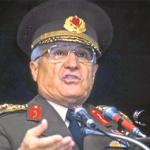
Masterminds of 1980 Coup Face Life Sentence
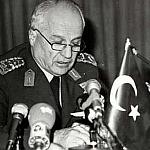
31 Years Later: Investigation into 1980 Military Coup
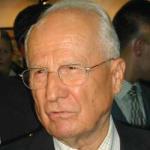
Criminal Charges Pressed against Coup Instigators of 1980
Constitutional Court: Judicial fine for comment on 1980 coup leader violated free expression
DEBATES OVER JUDICIAL REFORM RAGE ON
No Leftists Convicted in 1980 Coup Left Behind Bars?
Military Coup Case Begins with Victims' Cry for Justice
More People Come Forward for Justice at Military Coup Case
12 SEPTEMBER INDICTMENT
Blame or Defense?
12 September Indictment Accepted
Masterminds of 1980 Coup Face Life Sentence
31 Years Later: Investigation into 1980 Military Coup
Criminal Charges Pressed against Coup Instigators of 1980
ETHEM SARISÜLÜK CASE
Police Şahbaz Ordered to Stand Trial
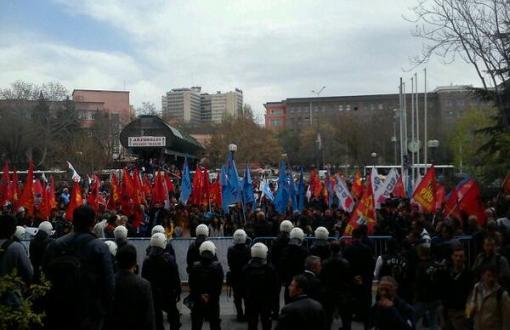
Tear Gas in the Courthouse
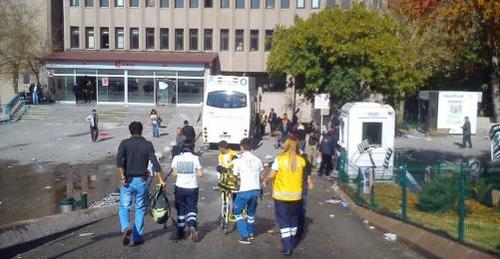
Prosecutor Ordered to Issue Opinion in September 12 Case
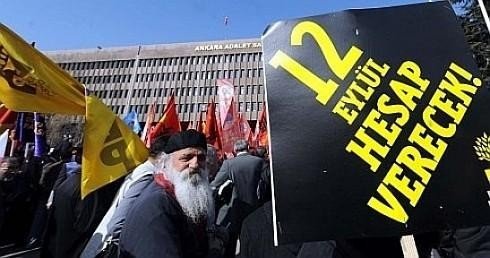
Tensions Rise in Sarısülük Trial, Hearing Postponed
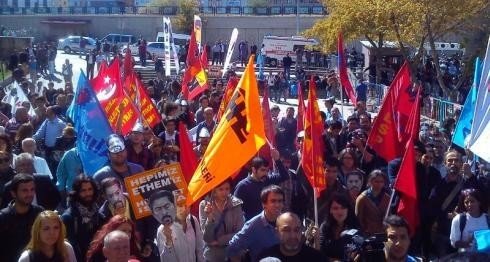
JUSTICE INITIATIVE FOR ROBOSKI
"Silence on Roboski Undermines Societal Peace"