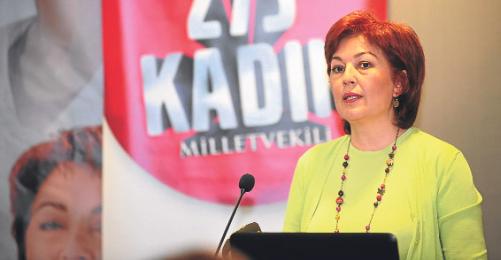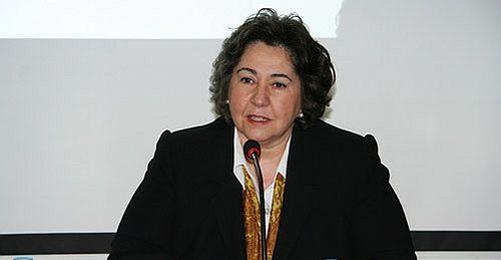




In the Sur Municipality of Diyarbakır (south-eastern Turkey) lead by the pro-Kurdish Peace and Democracy Party (BDP), half of the salaries of six employees are paid to their wives because of domestic violence. Deputy Mayor Gülbahar Örmek explains: "This strengthens the economic situation of the women and gives them support in the struggle against violence. The women appreciate the application".
The Diyarbakır Centre Sur District Municipality, the Turkish Municipalities and the trade union for municipal workers (Belediye-İş) signed a collective labour agreement in April this year with retrospective effect for 2010. Article 64, entitled Family Protection Law, includes provisions against domestic and economic violence and polygamy:
- Employees who expose their wives and children to violence pay 50 percent of their salaries to their wives.
- Maternity benefit is to be paid by the husbands.
- Notices of termination of work contract have to be approved by the wives. Reimbursements or the salaries are paid in the presence of the wives.
- If an employee is married to more than one woman, the salary and the severance pay are paid to the wife of the official marriage. The official wife is expected to share the money with the other wives.
- Örmek indicated, "After signing the collective labour agreement, we gave a copy of the agreement to the wives of our employees. We explained article 64. Some women who were treated violently were ashamed to apply to us so we established contact with them".
Örmek was asked whether preventive measures have been taken to avoid repeated violence against women who sought their rights after having been treated violently. Örmek replied:
"According to the provisions of the collective labour agreement we have the authority to terminate a work contract if he resorts to violence a second time. This is a deterrent factor. Additionally, the strengthening of the women's economic situation renders a power against violence. A woman who leaves her home because of domestic violence can go to her father or other relatives with a certain force. Thus, the support for them increases".
Örmek mentioned that he received positive reactions about the application. He furthermore pointed to another application apart from the collective labour agreement which aims at providing access to higher education for girls:
"We pay a bonus of TL 100 (approx. € 50) to 57 of our employees who send their daughters to university if they show us the girl's student's ceritificate".
The BDP Municipality of Yenişehir in Diyarbakır implemented similar applications. One person working for the Yenişehir Municipality was laid off because of treating his wife violently. (BB/VK)