





4.7 Million Illiterate Women in Turkey





According to data compiled by the Turkish Statistical Institute (TUIK) based on the 2008 Household Workforce Inquiry, a total of 5.647 million people older than 15 years are illiterate. There are 4.742 million women and 932,000 men who are not able to read or write. Thus, the percentage of illiterate women amounts to 84 percent within this group.
Illiteracy is the biggest obstacle for participating in economic and social life.
The report was prepared by researchers Assoc. Prof. Gökçe Uysal Kolaşin and Duygu Güner from the Bahçeşehir University Economic and Social Research Centre (Istanbul). It stresses the need for promoting campaigns for literacy and for public support in order to integrate illiterate people into social and economic life.
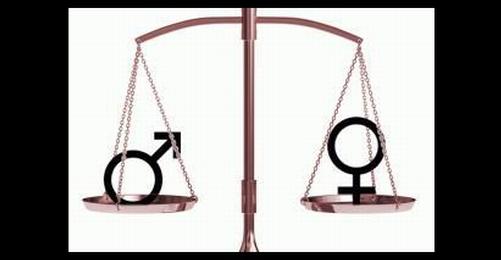
Gender discrimination persists in education
In their report, Kolaşin and Güner draw attention to obstacles that prevent women in Turkey from participating in education, social life and work life:
- 84 percent of all illiterate people are female. The disadvantages situation of women is not confined to a specific age group. 79 percent of all illiterate women are aged between 15 and 24 years. Even if the Turkish education system succeeds in time to make more people literate, this cannot close the gap between men and women.
- Illiteracy is a huge obstacle for the integration into social life. Illiteracy is most common with women, which puts them into a difficult situation in society and also oppresses their positions at home.
- The number of illiterate women amounts to almost one tenth of the Turkish population. An improvement of these women's situations will furthermore carry considerable importance for the future of the coming generations.
- Not being able to read or write has adverse affects on the conditions of the labor market as well. The vast majority of these women are being pushed out of economic life. Only a small minority is employed and 97 percent of these women work off the record.
- Most illiterate women cannot benefit from a stronger integration into economic life since they work as unpaid family workers.
- The situation of illiterate men looks better in comparison. Still, one third of them are self-employed and the remaining male illiterates are facing high rates of unemployment. (BB/VK)