





Parliamentary Commission on Missing Children





The Grand National Assembly of Turkey (TBMM) unanimously decided to establish a Parliamentary Investigation Commission for missing children and other problems imposed to children. The need of such a commission emerged from 25 separate investigation proposals handed in by MPs of the ruling power as well as the opposition regarding missing and victimized children.
Minister Kavaf: Girls affected three times more often
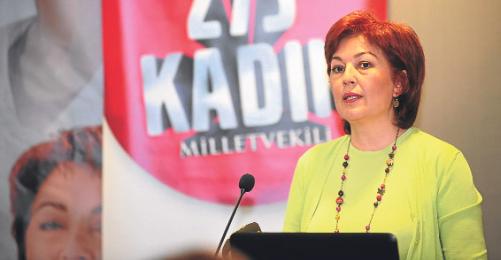
Government spokeswomen State Minister Selma Aliye Kavaf said that 24 million people of the Turkish population are children. "Children younger than five years old are mostly kidnapped for emotional reasons, whereas the majority of children kidnapped in the age group of 6 to 14-year-olds become victims of crime. The risk for girls to get kidnapped at the age of primary school is three times higher than that for boys of the same age group", Kavaf explained.
1,657 children missing
Kavaf indicated that according to data from the Police General Directorate 27,594 applications for missing children have been filed since 1997. The vast majority of these children was found, 25,937 children could be returned to their families or referring institutions.
The minister said that police units are currently searching for 1,657 missing children. 590 of these children left social service institutions without permission and were registered as "missing" in this aspect. However, 1,067 children separated from their families and did not came back ever since.
Kavaf emphasized that 88 percent of the missing children are aged between 13-18 years and girls for the most part. Reasons for leaving home are usually "emotional and psychological mood swings and communication problems within the family". Boys tend to leave home to satisfy their thirst of adventure or in the hope for finding work.
''Fascination for street life"
The doors of the social service institutions are always open for the children to visit their family and friends and return to the institutions afterwards. For these children, it became a habit to leave, according to Kavaf. She explained:
"The profile of children to be placed in one of our institutions has changed according to the requirements of law no. 5395. The behaviour of children from broken families who were exposed or directed to crime does not change that quickly."
These children oppose institutional care because of their attraction to street life and its lack of responsibility; they are themselves inclined to crimes or directed by a group. Some children miss their families and see them frequently".
Protocol pushed forward by three ministers
Kavaf stated that the "Protocol on the Missing Children National Information System Project of Institutional Cooperation" signed by the Ministries of the Interior, Justice and Women's Affairs will be enforced as soon as possible.
According to Kavaf, will help to obtain information on the missing children and their reasons for leaving. (BB/VK)